How can you use simple storage ideas for a more functional home in Montgomery County, PA?
The most useful home storage ideas Montgomery County, PA homeowners can use are the ones that make daily life easier first: clearer entryways, better closet systems, smarter kitchen storage, and organized basement or garage zones.
If you are thinking about selling, simple storage updates may also help present your home’s features and available space more clearly during photos and showings. Storage improvements do not guarantee a particular sale price, offer, or time on market.
Why Storage Matters in Montgomery County Homes
Storage is not only about hiding clutter. It is about making your home easier to use and easier to organize.
In Montgomery County, that can look different from one property to the next. A twin in Lansdale may benefit from a smarter mudroom setup. A rowhome near Norristown may need better vertical storage. A colonial in Worcester, Blue Bell, or Lower Gwynedd may benefit from cleaner basement zones.
A condo or townhome in King of Prussia, Conshohocken, or Ambler may benefit from furniture that provides additional storage without taking up unnecessary floor space.
Montgomery County includes a wide variety of housing styles, including older borough homes, newer townhomes, condos, traditional suburban homes, and larger single-family properties.
Because every property is different, storage improvements should be based on the home’s actual layout, available space, and how the rooms are used.
Start With the Storage Zones You Use Every Day
Before buying bins, shelves, or closet systems, walk through your home as you would on a busy weekday.
Where do keys, shoes, bags, mail, pet items, sports gear, and work supplies usually end up?
Those areas are often the best places to start.
A simple home storage plan can begin with three questions:
What items do you use every day?
Where do those items naturally pile up?
What storage solution would make that area easier to reset and maintain?
Create a Simple Entryway or Drop Zone
Many Montgomery County homes have a front door, side entrance, garage entrance, or back door that naturally becomes a landing area.
You do not necessarily need a renovation to make that space more functional.
Consider adding:
Wall hooks
A small bench
A narrow console
Shoe trays
Labeled baskets
Slim storage cabinets
For homes in borough communities such as Ambler, North Wales, Lansdale, or Pottstown, where some older layouts may have smaller entry areas, vertical storage can be especially useful.
Wall hooks, slim cabinets, and over-the-door organizers can add storage without taking up much floor space.
If you are preparing your home for sale, consider removing excess personal items from the entryway so the area remains clear, functional, and easy to understand.
Upgrade Closets Without Overbuilding Them
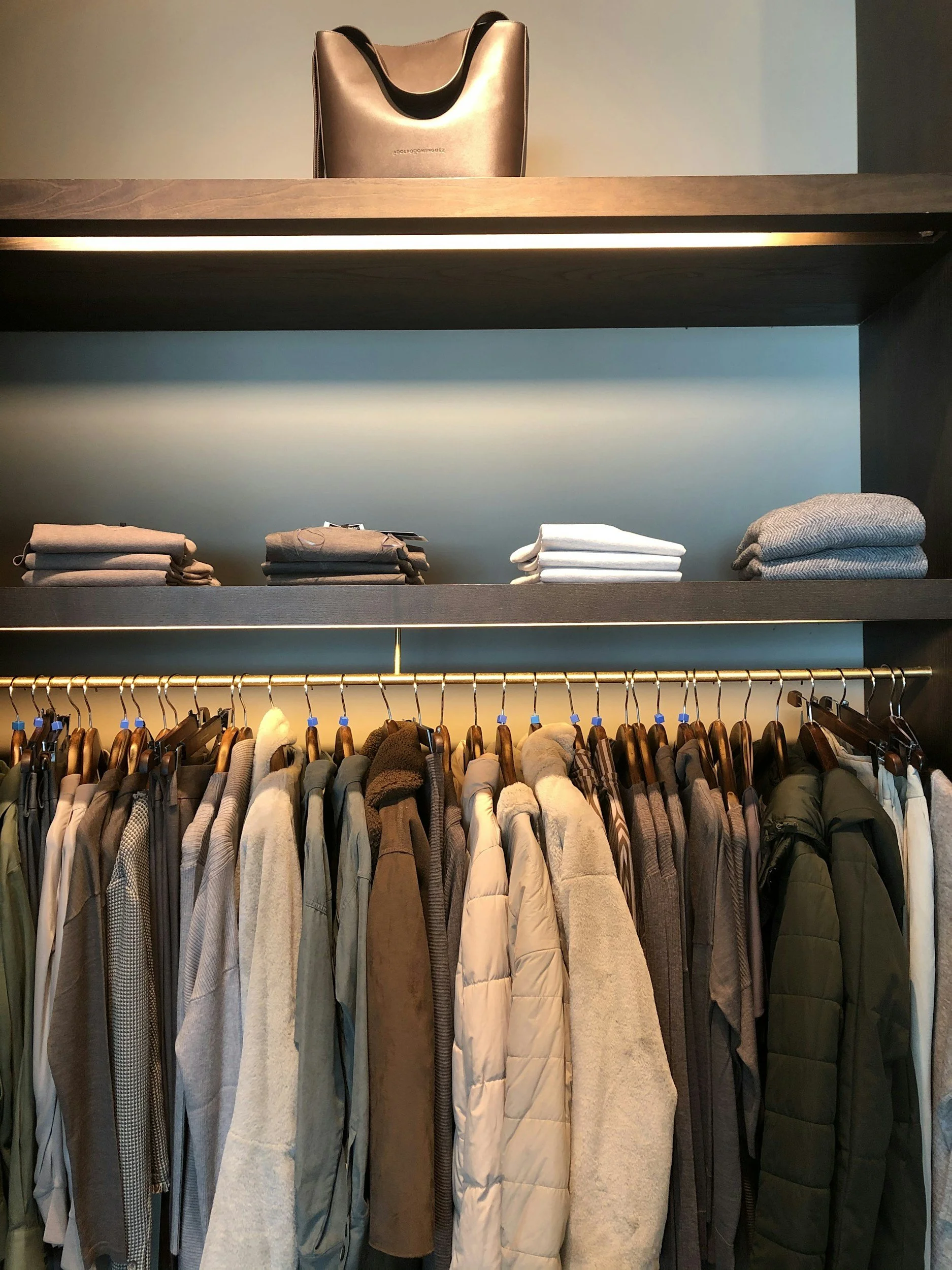
You do not need expensive custom built-ins to improve how a closet functions.
In many cases, a few basic changes can make the available storage easier to use and easier to maintain.
Try these practical closet updates:
Remove items you no longer regularly use.
Use matching hangers for a cleaner appearance.
Add a second hanging rod where appropriate.
Use shelf dividers for sweaters, linens, and towels.
Add labeled storage bins.
Keep enough floor space visible so the closet remains easy to access.
If you are preparing to sell, the goal is not to make the closet appear larger than it really is.
Instead, focus on presenting the actual storage clearly and accurately.
Quick Storage Ideas by Room
Entryway
Use hooks, a bench, shoe trays, and small baskets to keep everyday items from spreading into nearby living areas.
Kitchen
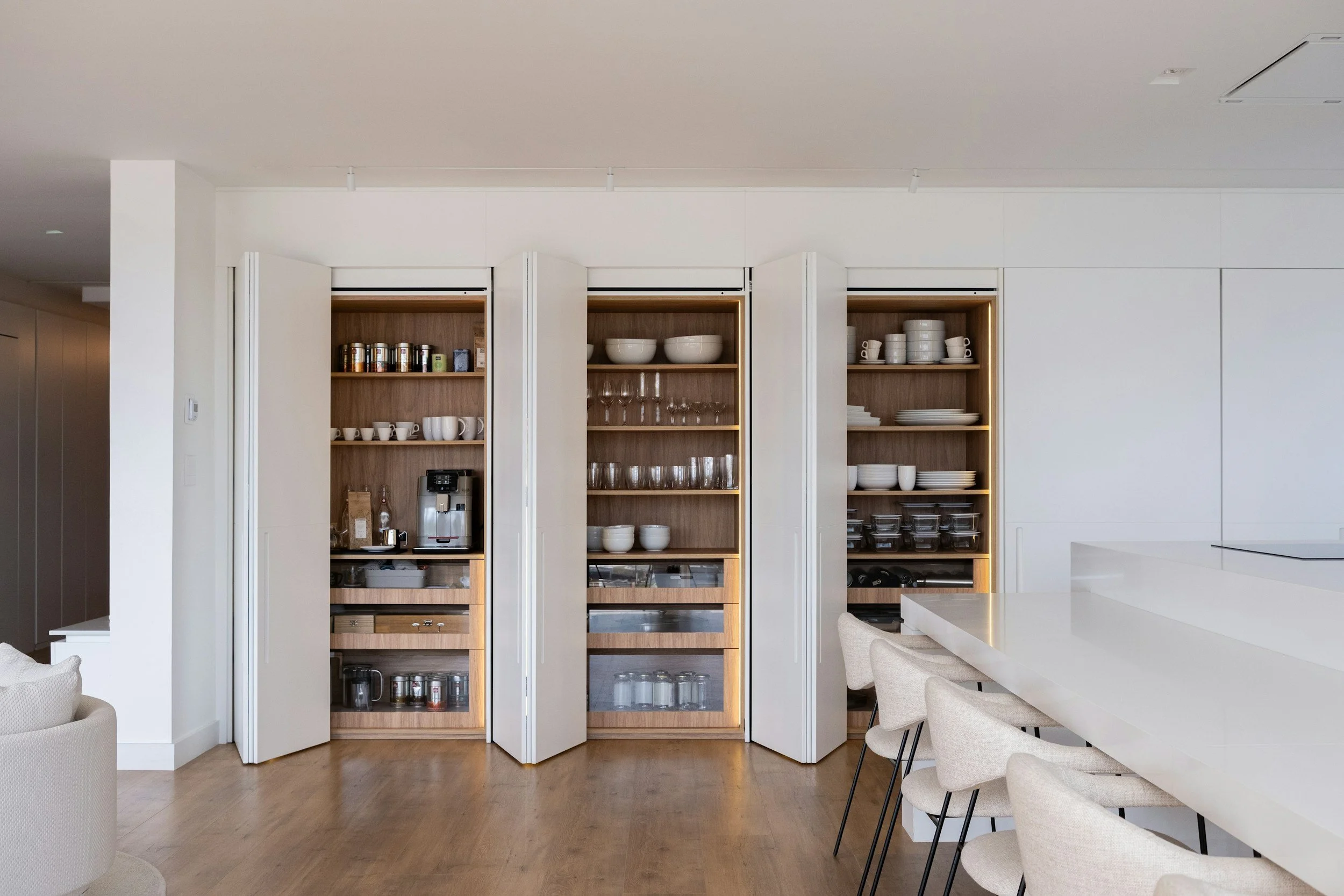
Consider shelf risers, pull-out bins, drawer organizers, and vertical pan storage to make existing cabinets easier to use.
Pantry
Create clear areas for snacks, baking supplies, canned goods, and overflow items so it is easier to see what you already have.
Closets
Use shelf dividers, matching hangers, and labeled bins to keep storage organized and easier to maintain.
Basement
Create separate zones using wall shelving and labeled seasonal bins.
Garage
Consider wall-mounted racks and appropriate overhead storage systems to help reduce items stored directly on the floor.
Home Office
Use file boxes, cord management, and drawer organizers to reduce visual clutter around work areas.
Make the Kitchen Easier to Use Before Considering a Remodel
Kitchen storage needs can vary significantly across Montgomery County homes.
Some properties have large kitchens with plenty of cabinetry, while others have older cabinets, smaller pantries, or limited counter space.
A full remodel is not always the first step.
Start by making better use of the storage you already have.
You might:
Add shelf risers for plates and bowls.
Store pans vertically.
Use clear bins beneath the sink.
Move rarely used appliances out of prime cabinet space.
Organize drawers by everyday use.
Keep counters relatively clear.
If you are preparing for listing photos or showings, decluttering and organization may help present the kitchen’s layout and available storage more clearly.
A local real estate professional can help homeowners evaluate which presentation improvements may be appropriate for a particular property.
For questions involving construction, structural conditions, repairs, taxes, inspections, or legal matters, consult the appropriate qualified professional.
Use the Basement, Garage, and Attic With Care
Basements, garages, and attic spaces can provide useful storage, but they can also become areas where miscellaneous items accumulate.
Try organizing items by category.
Examples include:
Seasonal decorations
Sports equipment
Tools
Lawn and garden supplies
Keepsakes
Outdoor equipment
Use clearly labeled bins and create specific zones rather than allowing items to spread throughout the space.
If you store bikes, hiking equipment, or recreational gear, consider creating one designated storage area to keep the rest of the garage or basement easier to navigate.
Be cautious when using attic and basement spaces for storage if there are concerns involving moisture, ventilation, electrical systems, or structural conditions.
Those issues should be evaluated by qualified professionals.
Choose Furniture That Adds Storage Without Overcrowding the Room
Storage furniture can be especially useful in condos, townhomes, and smaller single-family homes.
Consider pieces such as:
Storage ottomans
Beds with drawers
Sideboards
Lift-top coffee tables
Media cabinets with doors
Benches with hidden storage
However, avoid adding so much furniture that the room begins to feel crowded.
Keep walkways open and allow each room to have a clear purpose.
The goal is to add useful storage while still allowing the room’s size, layout, and features to remain visible.
Think About Storage Before Listing Photos
Listing photos do not require a home to look empty.
The goal is to present the home’s features and layout clearly and accurately.
Before photos, consider this simple process:
Remove excess visual clutter from counters, tabletops, and floors.
Pack off-season items first.
Leave breathing room in closets and cabinets.
Create clear zones in the basement, garage, and laundry area.
Secure personal paperwork, prescriptions, valuables, and private items before showings.
Small organizational changes can sometimes help make the home’s existing features easier to see in photographs and during in-person visits.
Keep Fair Housing and Real Estate Compliance in Mind
Real estate marketing should stay focused on the property and its features, rather than suggesting who should or should not live there.
Housing advertising must comply with federal, Pennsylvania, and applicable local fair housing laws.
When describing a property, focus on objective characteristics such as:
Room size
Layout
Storage
Built-in shelving
Closet space
Finished areas
Flexible-use rooms
Physical features of the property
Avoid language that expresses a preference, limitation, or discrimination based on protected characteristics.
Keeping descriptions focused on the home itself helps support accurate and compliant real estate marketing.
A Simple Storage Plan for Montgomery County Homeowners
If you are not sure where to begin, start small.
Choose one area at a time rather than trying to reorganize the entire home in a single weekend.
A practical order might be:
Entryway or mudroom
Kitchen and pantry
Primary and secondary closets
Basement, garage, or attic
If your goal is preparing a property for sale, priorities may differ depending on the home’s layout, condition, and presentation needs.
A real estate professional can help you think through which areas may deserve attention before marketing the property.
Final Thoughts: Simple Storage Can Make a Home Easier to Use
The right storage ideas do not have to be complicated.
Start by clearing the areas you use most often, giving everyday items a practical place to go, and making better use of vertical space where floor space is limited.
If you are preparing for a future move, focus on presenting your home’s features and layout clearly and accurately.
A storage plan for a borough twin in North Wales may look different from one for a single-family home in Blue Bell, a townhome in King of Prussia, or a condo in Conshohocken.
Every property has different storage needs.
Thinking About Your Next Move in Montgomery County?
If you are considering selling or simply thinking ahead, Greg Parker can help you discuss property-specific real estate preparation considerations and your next move in Montgomery County, PA.
📲 Greg Parker at Keller Williams Real Estate
📞 Direct: 215-239-7953
🏢 Broker: 215-646-2900
✉️ Greg@CallGregParker.com
🌐 CallGregParker.com