Hidden Home Problems That Often Appear During the Fall Season in Montgomery County, PA
What hidden home problems often appear during the fall season in Montgomery County, PA?
Fall home maintenance concerns in Montgomery County, PA can include clogged gutters, roof leaks, basement moisture, drafty windows, heating-system issues, wood rot, pest entry points, and exterior safety hazards. Recognizing warning signs can help homeowners arrange qualified evaluations and plan maintenance before winter or a possible sale.
Fall can make certain home issues easier to notice. Leaves can block gutters, rain can reveal drainage concerns, cooler mornings may make drafts or condensation more apparent, and heating systems may start running more regularly.
These are reasons to review property condition, not a substitute for professional inspection.
That is important if you are thinking about selling a home in Montgomery County, PA. The county includes older borough homes in Ambler, Lansdale, Norristown, and Pottstown, as well as colonials, split-levels, townhomes, condos, and newer homes in Blue Bell, Worcester, Harleysville, King of Prussia, North Wales, and nearby communities.
Different homes have different risks, but fall can bring attention to similar maintenance concerns.
Greg Parker at Keller Williams Real Estate looks at fall maintenance through a local real estate lens. The goal is not to make every home perfect. It is to understand what could affect buyer confidence, inspection conversations, pricing, and timing.
Why Fall Maintenance Matters in the Montgomery County, PA Real Estate Market
Property condition is one factor to consider when planning a sale. Countywide market statistics provide context, but they do not predict the outcome for a particular home.
In data reviewed October 13, 2026:
Redfin reported a median sale price of $466,456 for the three months ending September 2026, up 7.5% year over year.
Redfin displayed 32 median days on market and reported 771 home sales in September.
Realtor.com reported a September 2026 median listing price of $519,900, with 2,752 active listings.
Realtor.com reported 40 median days on market and characterized Montgomery County as a balanced market.
These sources use different measures and reporting periods, so their figures should not be treated as interchangeable or as predictions for an individual property.
A roof stain, musty basement, loose railing, or overflowing gutter may prompt additional questions during a sale.
Identifying concerns, obtaining appropriate professional evaluations, and keeping accurate documentation can help homeowners make informed decisions.
Quick Checklist: Hidden Home Problems to Look for This Fall
Here are six maintenance areas worth reviewing as temperatures begin to drop.
1. Gutters and Drainage: Look for overflowing gutters, blocked downspouts, washed soil, and standing water near the foundation.
2. Roof and Attic: Check for ceiling stains, damp insulation, missing shingles visible from the ground, and signs of water intrusion.
3. Basement Moisture: Pay attention to musty odors, damp corners, water stains, and sump pump concerns.
4. Windows and Doors: Look for drafts, worn weatherstripping, condensation between windowpanes, and damaged seals.
5. Exterior Wood and Safety: Review decks, stairs, railings, trim, fascia, and porch posts for deterioration.
6. HVAC and Heating: Check filters, service records, vents, detectors, fireplaces, and chimneys.
These observations can help determine whether an evaluation by a qualified professional is appropriate.
1. Clogged Gutters, Downspouts, and Drainage Issues
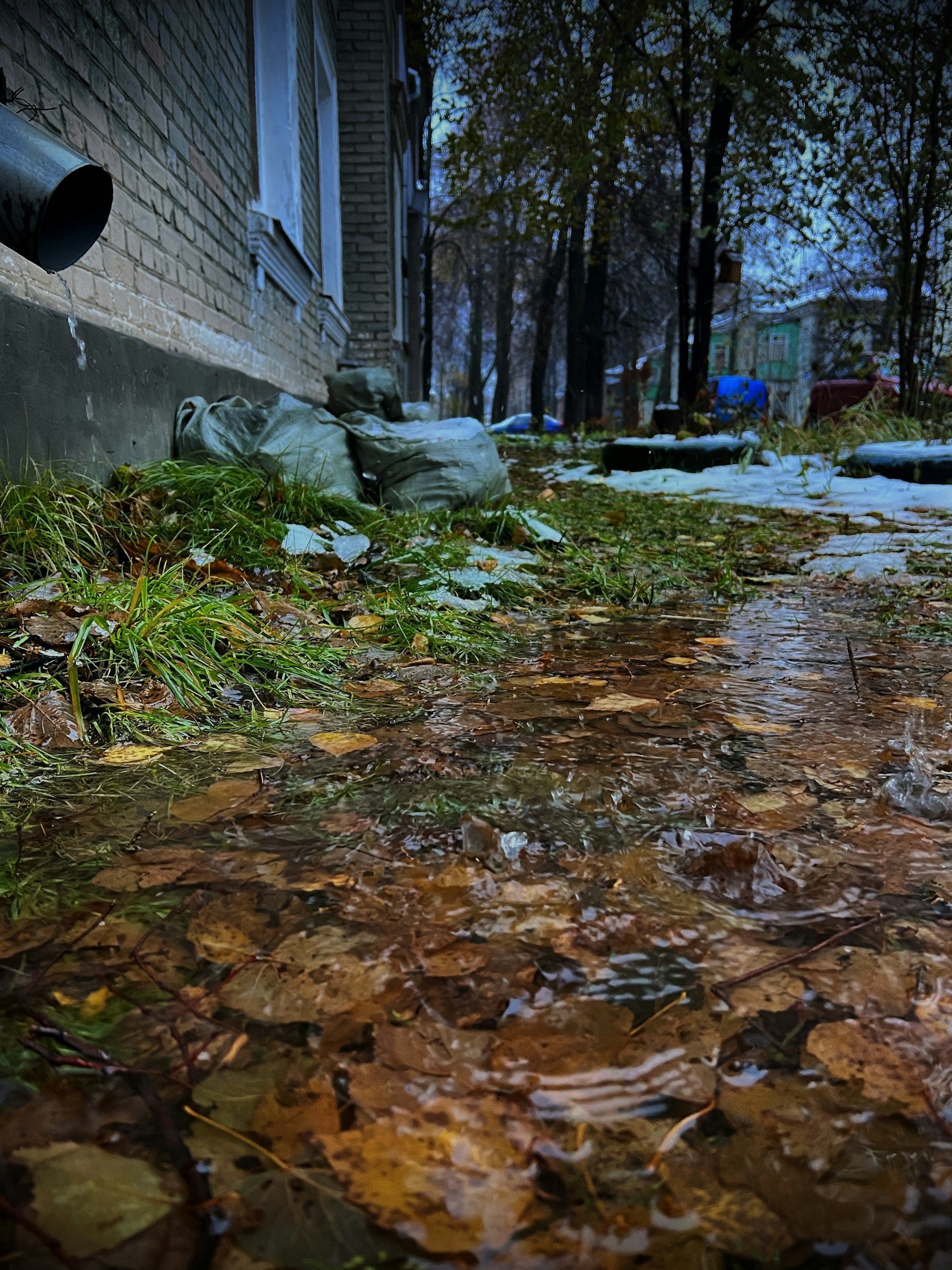
Clogged gutters and downspouts are maintenance concerns worth checking during fall. Fallen leaves and debris can block water flow, particularly around properties with mature trees.
When gutters overflow, water can run down siding, splash against the foundation, or seep into basements and crawl spaces.
The National Flood Insurance Program recommends clearing gutters and downspouts to help avoid water buildup. The Environmental Protection Agency (EPA) also identifies gutter maintenance as part of controlling moisture around a home.
After rainfall, take a walk around the exterior and look for:
Standing water near the foundation
Detached or blocked downspouts
Dark staining on siding
Soil erosion or washout
Water draining too close to the house
If a downspout ends beside the foundation, a properly installed extension may help direct water farther away.
2. Small Roof Leaks and Attic Warning Signs
A roof problem does not always appear as a major leak. Sometimes the first sign is a cracked pipe boot, aging flashing, loose shingle, clogged roof valley, or moisture near a chimney.
Fall rainfall can make these concerns more noticeable.
Inside the home, look for brown ceiling stains, bubbling paint, damp insulation, or musty attic odors.
Outside, observe the roof safely from the ground for missing shingles, lifted edges, moss buildup, and accumulated debris.
Do not climb onto a roof unless you are trained and properly equipped. Contact a qualified roofing professional when an inspection or repair is needed.
From a real estate perspective, a known roof issue can affect repair planning, pricing, marketing, and negotiations.
Greg Parker can help homeowners discuss these real estate considerations and recommend consulting qualified contractors about repairs.
Importantly, Pennsylvania sellers must disclose known material defects as required by law. Adjusting an asking price does not replace an applicable disclosure obligation. For legal disclosure questions, consult a Pennsylvania real estate attorney.
3. Basement Moisture, Musty Odors, and Mold Concerns
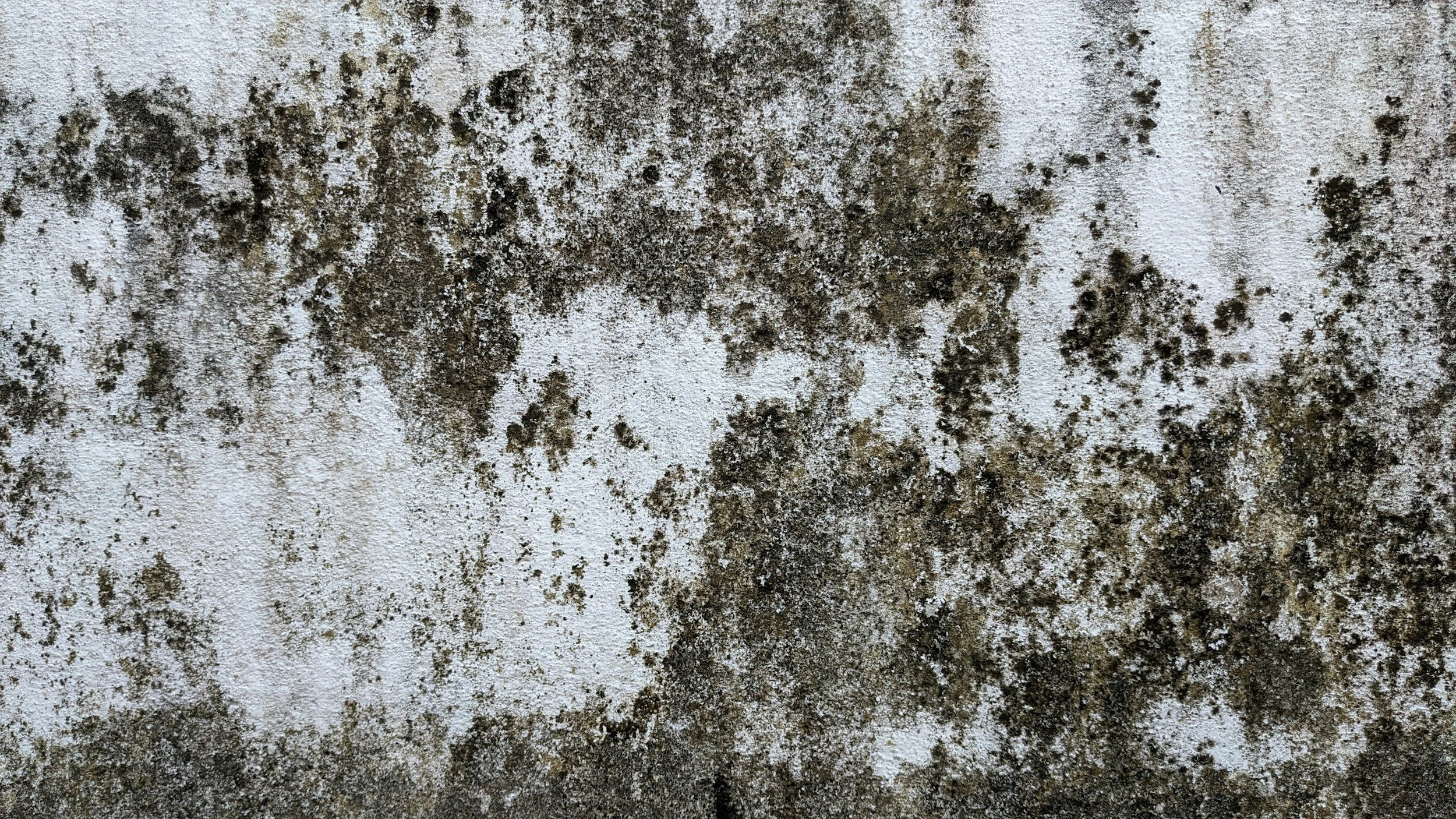
Homes with basements or crawl spaces may benefit from a moisture review, especially when there has been previous leakage or dampness.
A musty smell or water stain can indicate a concern that deserves further evaluation. However, the nature and extent of a problem cannot be determined from an odor or stain alone.
According to the EPA, moisture control is the key to mold control. Addressing the source of unwanted water is an important part of managing moisture-related problems.
Areas worth checking include:
Sump pumps and drainage systems
Basement corners and foundation walls
Window wells
Floor drains
Areas behind stored belongings
Locations with previous water intrusion
If you notice active water, visible mold, or repeated dampness, consult an appropriate professional.
Waterproofing, structural concerns, mold remediation, and environmental testing should be handled by qualified specialists rather than treated as routine cosmetic repairs.
4. Drafty Windows, HVAC Problems, and Chimney Concerns
As temperatures change during the fall, window, door, and heating-system concerns may become easier to notice.
You may feel drafts around older windows, sliding doors, basement entries, garage doors, or attic access points.
Condensation between glass panes may also indicate a failed window seal.
Heating systems can reveal concerns when they begin operating more regularly after warmer months.
Consider the following maintenance steps:
Review and replace HVAC filters as appropriate.
Keep equipment areas and accessible vents clear.
Organize heating and cooling service records.
Arrange professional service if a system has not been evaluated recently.
Have fuel-burning equipment, fireplaces, and chimneys serviced and checked by qualified professionals.
For homeowners preparing to sell, buyers may ask about the age, condition, function, and maintenance history of these systems.
Accurate records can help answer those questions.
5. Wood Rot, Pest Entry Points, and Exterior Safety Issues
Moisture exposure can affect exterior wood components, including trim, fascia, deck boards, porch posts, stairs, and railings.
As temperatures drop, openings around utility lines, garage doors, foundations, attic vents, and crawl spaces may also provide entry points for pests.
Walk around the property and look for:
Peeling paint or deteriorating finishes
Soft or damaged wood
Loose railings
Spongy deck boards
Damaged screens
Pest droppings or nesting materials
Uneven steps or other potential hazards
These concerns can affect property presentation and may lead to questions during an inspection.
If you are preparing your home for sale, consider addressing safety-related concerns before cosmetic improvements.
Keep invoices and records for any professional repairs or treatments.
How to Prioritize Fall Home Repairs Before Selling
You do not need to make your home perfect before listing it.
A practical approach is to review maintenance concerns based on their potential impact on the property's condition and function.
First: Address Active Water Problems
Look into roof leaks, plumbing problems, basement moisture, and drainage issues. Qualified professionals can evaluate the cause and recommend appropriate solutions.
Second: Review Safety Concerns
Loose railings, damaged steps, trip hazards, electrical concerns, and missing handrails may require attention.
Third: Evaluate Important Home Systems
Consider the condition of HVAC equipment, plumbing, roofing, and drainage systems. Gather available maintenance and repair documentation.
Fourth: Review Visible Maintenance
Once underlying problems are addressed, look at peeling trim, damaged screens, dirty gutters, and other visible maintenance needs.
Greg Parker can discuss marketing and pre-listing priorities and recommend when further evaluation by qualified professionals may be appropriate.
A real estate walkthrough is not a home inspection and does not replace a qualified inspector's or contractor's evaluation, legal advice, or required seller disclosures.
The goal is to make informed decisions based on the property's specific condition and the homeowner's plans.
Why Montgomery County Homes Need a Property-Specific Maintenance Plan
Montgomery County, Pennsylvania, includes homes of different ages, architectural styles, construction materials, and site conditions.
Maintenance needs can vary depending on factors such as trees, grading, exterior materials, basement construction, and previous maintenance.
For example:
An older stone or stucco property may have different exterior maintenance considerations than a newer townhome.
A wooded property may need closer attention to gutters and roof debris.
A finished basement may warrant additional moisture monitoring.
A sloped lot may require careful drainage evaluation.
There is no single maintenance checklist that fully addresses every property.
Greg Parker at Keller Williams Real Estate works with residential real estate clients throughout Montgomery County, PA.
Greg can help discuss property-specific real estate marketing considerations while referring technical or legal questions to the appropriate qualified professionals.
What You Should Avoid Before Listing Your Home
When preparing to sell, it is important to distinguish cosmetic improvements from underlying property concerns.
Do not cover water stains or odors without understanding their source.
A fresh coat of paint may improve appearance, but it does not resolve an active leak or moisture problem.
Do not describe repairs as new or completed unless that information is accurate.
Keep documentation of work performed and avoid representations that cannot be supported.
Do not assume improvements will guarantee a higher sale price or faster sale.
Repairs may improve presentation, but every property and transaction is different.
Property marketing should also remain consistent with Fair Housing requirements, focusing on the home's features, condition, location, and publicly available resources.
For legal, tax, financial, insurance, lending, mold, engineering, and inspection matters, consult the appropriate qualified professional.
Bottom Line: Pay Attention to Fall Home Maintenance Warning Signs
Some home problems first become noticeable through small signs, such as a ceiling stain, musty odor, loose railing, or fogged window.
However, a visible sign does not necessarily reveal the extent of an underlying problem.
Before winter, consider reviewing your home's gutters, drainage, roofing, basement, windows, doors, decks, heating systems, and exterior safety features.
If you are considering selling your home in Montgomery County, PA, understanding its condition can help you plan your next steps.
Greg Parker at Keller Williams Real Estate can help you discuss marketing and pre-listing priorities, consider your property's circumstances, and determine when further professional evaluations may be appropriate.
Ready for Your Next Move?
Have questions about preparing your home for the Montgomery County real estate market?
Connect with Greg Parker at Keller Williams Real Estate to discuss your property's marketing considerations and your plans.
Greg Parker at Keller Williams Real Estate
📞 Direct: 215-239-7953
Broker: 215-646-2900
Email: Greg@CallGregParker.com
Website: CallGregParker.com