
How to Help Prevent Water Damage in Your Montgomery County, PA Home
By Greg Parker | Associate Broker, Keller Williams Real Estate | Blue Bell, PA
Water damage doesn't always begin with a major storm or a burst pipe. Sometimes, it starts with a slow drip beneath a sink, a worn washing machine hose, or a plumbing leak that goes unnoticed.
For homeowners in Montgomery County, Pennsylvania, checking plumbing connections and water-related equipment can be an important part of regular home maintenance.
Whether your home is in Blue Bell, Ambler, Lansdale, North Wales, King of Prussia, or another Montgomery County community, knowing where to look for potential problems can help you make informed maintenance decisions.
How Can Homeowners Help Prevent Water Damage?
Five practical ways to help reduce the risk of water damage are:
Locate and label your main water shutoff valve.
Check under sinks for leaks and moisture.
Inspect appliance hoses and water supply connections.
Consider installing water leak sensors.
Maintain your sump pump if your home has one.
These steps cannot prevent every plumbing failure or water-related problem, but they can help homeowners identify potential concerns and respond when maintenance or repairs are needed.
Here's a closer look at each one.
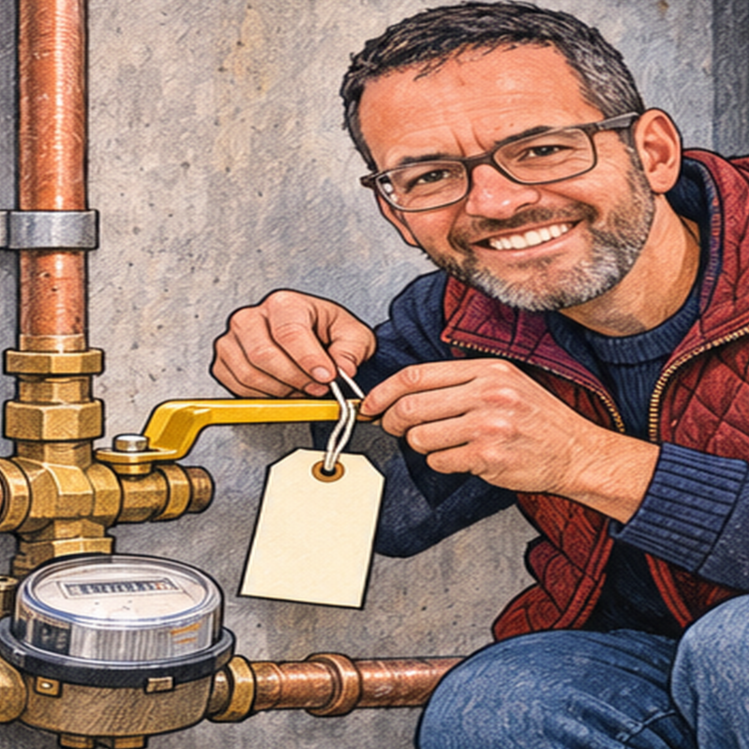
1. Find and Label Your Main Water Shutoff Valve
Knowing where to turn off your home's water supply can be useful if a significant plumbing leak occurs.
The main water shutoff valve controls the water supply entering your home. Depending on the property, it may be located in a basement, utility room, crawl space, or near the point where the main water line enters the building.
What homeowners should check:
Locate the main water shutoff valve.
Make sure the valve is accessible.
Label it clearly for easy identification.
Show other household members where it is located.
Have a qualified plumber evaluate a valve that appears damaged or difficult to operate.
Homeowner Tip: Find your main water shutoff before an emergency. Knowing its location may help you respond more quickly if a significant leak develops.
If the valve is stuck or you're unsure how it works, avoid forcing it. A qualified plumber can help assess its condition.
2. Check Under Sinks for Water Leaks
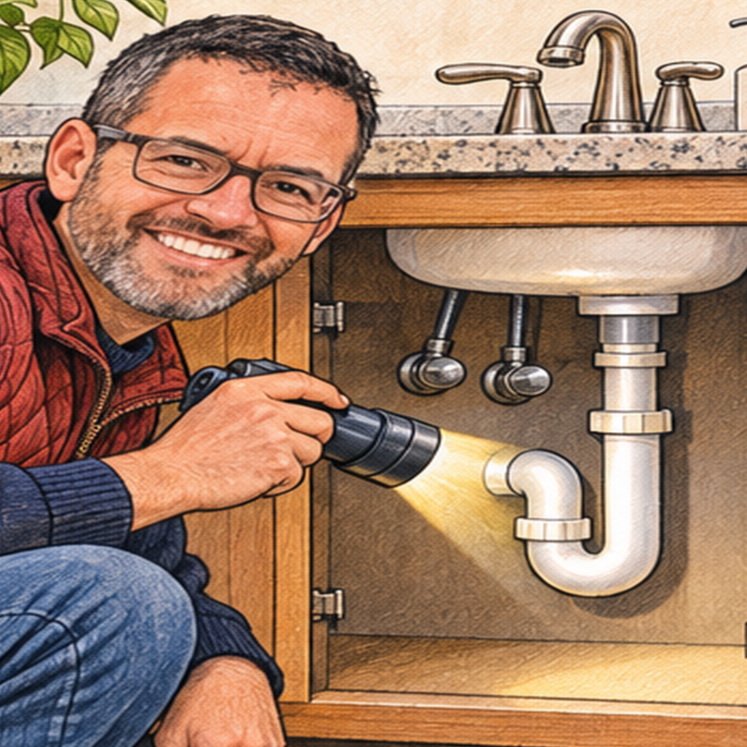
One of the easiest places to overlook a slow leak is inside a kitchen or bathroom cabinet.
Water can collect around faucet supply lines, shutoff valves, drain connections, and other plumbing components.
Because the plumbing is hidden behind cabinet doors, moisture may remain unnoticed until visible damage appears.
What Are the Signs of a Leak Under a Sink?
Look for:
Drips around pipes or fittings.
Damp cabinet surfaces.
Water stains or discoloration.
Musty odors.
Warped cabinet materials.
Standing water or moisture beneath plumbing connections.
Homeowner Tip: Periodically remove stored items from beneath sinks and inspect the cabinet floor and visible plumbing.
If you find a leak, take appropriate steps to limit further water exposure and contact a qualified plumber when necessary.
3. Inspect Appliance Hoses and Water Supply Connections
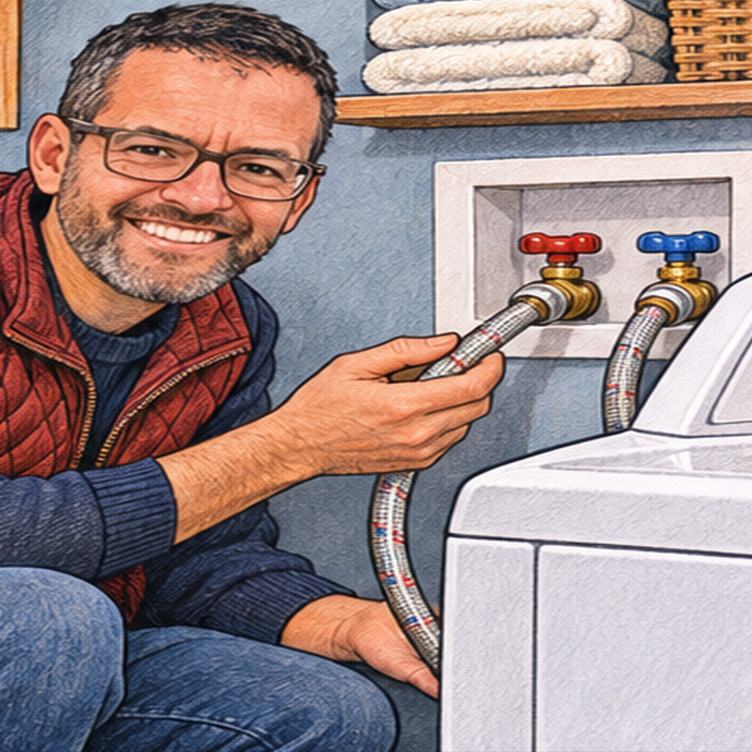
Many household appliances use water supply lines that can deteriorate or develop leaks.
Common examples include washing machines, dishwashers, refrigerators with water dispensers, and other water-connected appliances.
Checking accessible hoses and fittings can help homeowners identify visible damage.
What Should You Look for on Appliance Hoses?
Cracks or splits.
Bulges or swelling.
Corrosion near connections.
Moisture around hose fittings.
Kinks or visible deterioration.
Water collecting behind or beneath appliances.
Washing machine hoses are worth including in routine inspections because they connect directly to the home's water supply.
Homeowner Tip: Follow the appliance and hose manufacturers' recommendations for inspection and replacement.
If you notice damage, leaking connections, or unusual moisture, consider having a qualified professional evaluate the issue.
Avoid moving heavy equipment or disconnecting plumbing connections if you cannot do so safely.
4. Consider Installing Water Leak Sensors
Some water leaks develop in areas that aren't checked frequently.
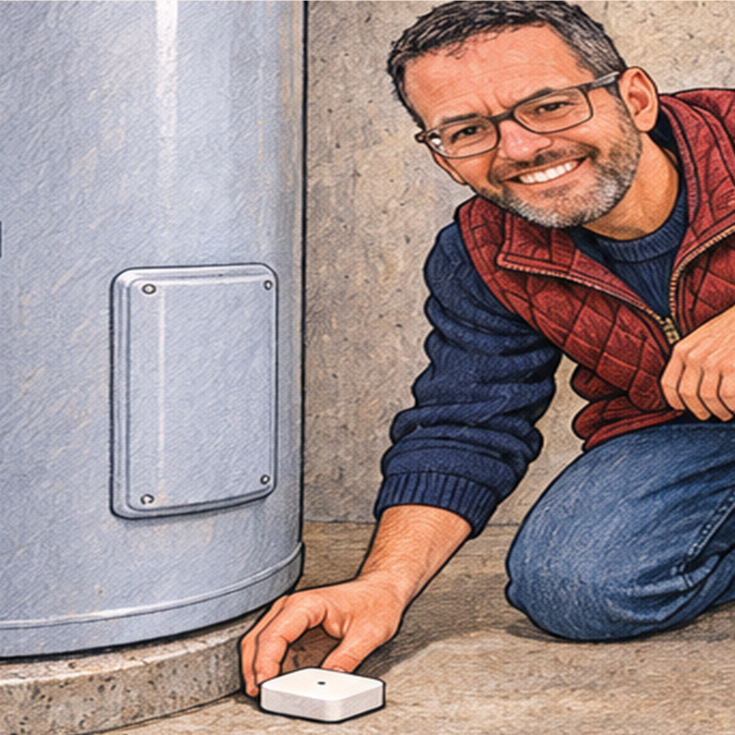
Water leak sensors are designed to detect moisture in monitored locations and provide an alert when water is present.
Depending on the device, alerts may include an audible alarm or a notification sent to a connected phone or monitoring system.
Where Should Water Leak Sensors Be Placed?
Common locations to consider include:
Beneath kitchen sinks.
Inside bathroom vanity cabinets.
Near washing machines.
Around water heaters.
Near dishwashers or refrigerators with water connections.
In basements where water may collect.
The best location depends on your home's plumbing layout and the manufacturer's recommendations.
Some systems can also work with automatic water shutoff devices, although features and installation requirements vary.
Homeowner Tip: Leak sensors can provide additional monitoring, but they do not replace regular inspections, plumbing maintenance, or professional repairs.
The U.S. Environmental Protection Agency provides information about different leak detection and flow-monitoring technologies through its WaterSense program.
5. Check Your Sump Pump
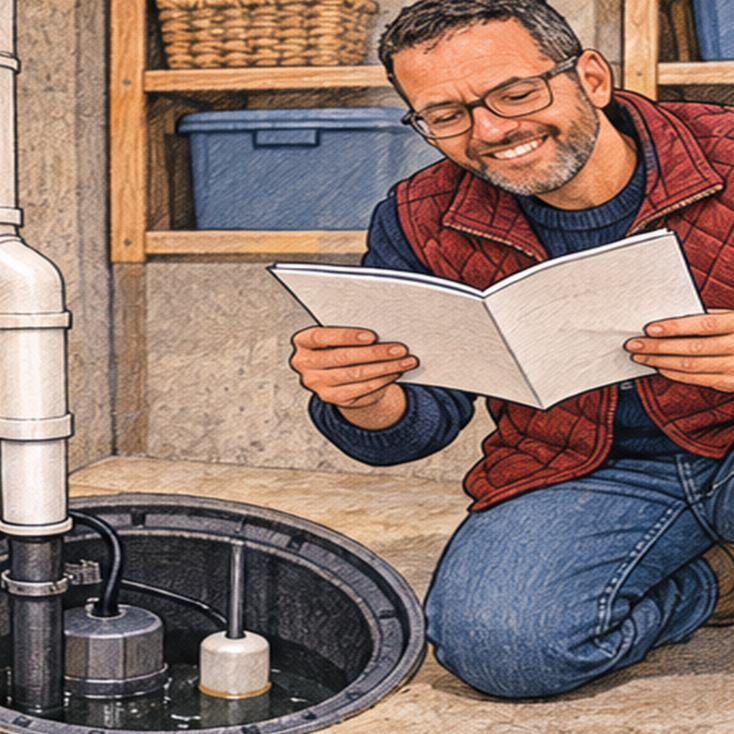
Some homes have sump pumps installed in basements or crawl spaces to help manage collected water.
A sump pump moves water from a sump basin to a designated discharge location. These systems may be used where the property's drainage conditions make them appropriate.
Not every home has or requires a sump pump.
How Can Homeowners Maintain a Sump Pump?
If your home has one, consider these maintenance checks:
Review the manufacturer's operating and maintenance instructions.
Follow the recommended testing procedure.
Check for visible damage or unusual operating conditions.
Inspect accessible components according to manufacturer guidance.
Review the discharge arrangement for visible concerns.
Check backup equipment, if installed.
Homeowner Tip: Become familiar with how your sump pump operates before a period of heavy rain or increased groundwater.
If the system does not operate properly, consult a qualified professional.
Safety Note: Never reach into water near powered electrical equipment or attempt electrical repairs without appropriate training.
Water Damage Prevention Checklist for Montgomery County Homeowners
Regular maintenance can help you stay familiar with your home's plumbing and water-management systems.
Use this checklist as a starting point:
Locate and label the main water shutoff valve.
Inspect accessible plumbing beneath sinks.
Check appliance hoses for visible wear or leaks.
Consider leak sensors in areas where water may collect.
Follow sump pump maintenance instructions, if applicable.
Contact qualified professionals when repairs or further evaluation are needed.
You can review these areas periodically and adjust your maintenance schedule based on the home's age, plumbing layout, equipment, and manufacturer recommendations.
What Should You Do If You Discover a Water Leak?
If you notice an active leak, the appropriate response depends on its location and severity.
General steps to consider include:
Protect your safety first. Avoid standing water near outlets, appliances, or other electrical equipment.
Stop the water supply when safe and appropriate. Use the affected fixture's shutoff valve or the main water shutoff when necessary.
Contact a qualified professional. A plumber can help identify and repair the source of a plumbing leak.
Document visible damage. Photos and notes may be useful if you need to discuss the situation with your insurance provider.
Address remaining moisture. Professional drying or remediation may be necessary depending on the extent of the water intrusion.
If you're unsure whether an area is safe to enter, avoid entering it until the hazard has been assessed.
Frequently Asked Questions About Water Damage Prevention
What is the best way to prevent water damage in a house?
There is no single method that prevents every type of water damage. Homeowners can reduce some risks by inspecting plumbing, maintaining appliances, knowing where to shut off the water, using appropriate leak detection devices, and addressing problems promptly.
Where is the main water shutoff valve located in a home?
It may be in a basement, utility room, crawl space, or near where the main supply line enters the property. Its location varies by home. A qualified plumber can help if you cannot identify it.
How do I know if I have a hidden water leak?
Possible signs include unexplained moisture, water stains, musty odors, visible deterioration, or unusual water consumption. These signs do not always confirm a leak, so further inspection may be necessary.
How often should I inspect washing machine hoses?
Follow the manufacturer's inspection and replacement recommendations. Regularly look for cracks, bulges, moisture, corrosion, and visible deterioration.
Do water leak detectors actually help?
Water leak detectors can help identify moisture in the areas they monitor. Some provide audible alerts, while connected models may send notifications or integrate with automatic shutoff equipment. They cannot detect every leak in a home.
Do all Montgomery County, PA homes need sump pumps?
No. The need for a sump pump depends on the property, drainage conditions, building design, and other factors. A qualified professional can evaluate property-specific concerns.
How often should a sump pump be tested?
Follow the pump manufacturer's instructions. Recommended maintenance and testing procedures vary by system and backup equipment.
Does homeowners insurance cover water damage?
Coverage depends on the insurance policy and the cause of the damage. Sudden plumbing incidents, gradual leaks, sewer backups, and flooding may be treated differently. Review your policy and contact your insurance provider for coverage questions.
Why Routine Home Maintenance Matters
A home has many systems that require attention over time.
Plumbing, heating, ventilation, drainage, and electrical systems can all have different maintenance needs depending on the property's condition and equipment.
For homeowners in Montgomery County, PA, reviewing these systems regularly can help identify concerns, plan maintenance, and determine when a professional evaluation may be appropriate.
If you're considering buying or selling a home, understanding its condition is also an important part of making informed real estate decisions.
For local housing information, current listings, and questions about the buying or selling process, contact Greg Parker at Keller Williams Real Estate.
About the Author
Greg Parker is an Associate Broker with Keller Williams Real Estate in Blue Bell, Pennsylvania, serving home buyers and sellers throughout Montgomery County, PA, and surrounding communities.
Through his real estate market updates, community guides, and homeowner tips, Greg shares practical information about local housing conditions, property ownership, and the buying and selling process.
For questions about Montgomery County real estate, contact Greg Parker for current local market information.
Learn more about Greg Parker: https://callgregparker.com/team/gregory-parker-licensed-real-estate-agent
Contact Greg Parker
📲 Greg Parker at Keller Williams Real Estate
📞 Direct: 215-239-7953
🏢 Broker: 215-646-2900
🌐 CallGregParker.com