
How to Organize Your Kitchen: 6 Easy Tips for Homeowners
How do you organize your kitchen as a homeowner in Montgomery County, PA?
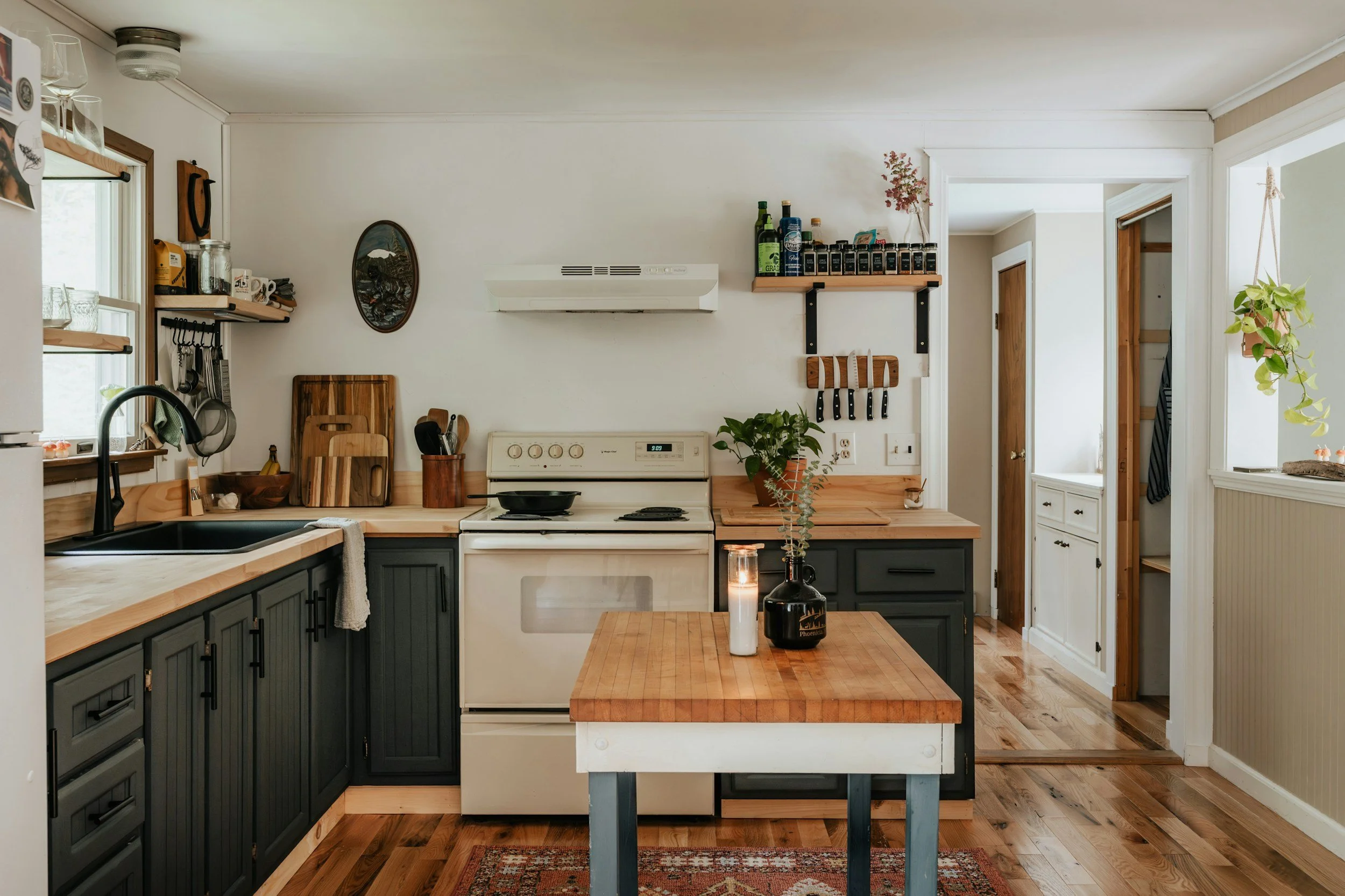
Start with simple kitchen organization tips that make your space easier to use, easier to clean, and easier for someone else to understand when they walk in.
You do not need a full remodel to make your kitchen feel more practical, especially if you are preparing to sell a home in Montgomery County, PA or simply want your home to function better day to day.
Kitchen organization can help make the room’s layout, counter space, storage, and everyday function easier to understand in photographs and during showings.
Counters, cabinets, pantry space, traffic flow, lighting, appliance placement, and storage are all visible parts of the room. Visual clutter can make those features harder to evaluate, while a clean, organized setup can present them more clearly.
For homeowners throughout Montgomery County, kitchens can vary significantly depending on the property.
A kitchen in an Ambler twin, Lansdale townhome, Blue Bell single-family home, Collegeville colonial, or Norristown rowhome may require a different organization plan.
Greg Parker helps local homeowners consider property condition, current competition, and nearby recent activity when discussing which preparation steps may make sense.
Why Kitchen Organization Matters When Preparing a Home
Local real estate conditions can change quickly, so preparation decisions should be based on the specific property, current local listing information, timing, condition, and the seller’s goals.
Market statistics are not included here because inventory, pricing, and other housing indicators change frequently and should be checked as of the date a homeowner is making a decision.
A well-organized kitchen cannot replace appropriate pricing, professional photography, required disclosures, or a property-specific marketing plan.
However, it may help make the room’s storage, layout, and usable space easier to understand.
1. Clear the Counters Before You Do Anything Else
Start with your countertops because they are one of the most visible parts of the kitchen.
This does not mean the counters need to be completely empty. Instead, try to make sure every visible item has a purpose.
A coffee maker, small fruit bowl, or clean cutting board may make sense. Extra mail, chargers, medicine bottles, bulky appliances, and random containers can make the kitchen appear busier.
For listing photos or showings, it can help to look at the kitchen from a viewer’s perspective.
Can the counter space be seen clearly?
Is the relationship between the sink, stove, refrigerator, and work areas easy to understand?
If clutter hides those features, removing a few more items may help present the room more clearly.
Simple Counter Reset
Keep only one or two daily-use appliances on the counter.
Move paper piles, keys, and small clutter to another location.
Wipe every visible surface.
Leave room around the sink, stove, and island so work areas are easy to see.
2. Edit Cabinets and Drawers So Storage Looks Useful
Cabinets do not need to look perfect, but they should not feel overloaded.
One of the simplest kitchen organization tips is to remove items you rarely use.
Extra mugs, mismatched containers, duplicate tools, seasonal serving pieces, and small appliances can often be packed early if you are preparing to move.
Kitchen storage varies widely throughout Montgomery County, PA.
Some older homes may have fewer cabinets or unique storage layouts. Newer properties may include taller cabinets, islands, or pantry closets.
Regardless of the home style, removing excess items can make the available storage easier to understand.
What to Remove First
Duplicates: Extra spatulas, pans, travel cups, and utensils.
Broken or incomplete items: Containers without lids, chipped mugs, and unused tools.
Rarely used items: Holiday trays, oversized appliances, and party supplies.
Visual clutter: Packaging, loose bags, cords, and excessively stacked items.
3. Make the Pantry Easy to Read
A pantry should make it easy to understand how the available storage is being used.
You do not need expensive containers or matching designer labels.
Instead, focus on clear grouping and accessibility.
Keep baking items together, snacks together, canned goods together, and breakfast items together. Face labels forward when practical and remove expired food or items that have been sitting open too long.
If your home has a smaller pantry, the goal is not to disguise its size. The goal is to demonstrate how the available storage can be used effectively.
In some Montgomery County homes, a nearby closet, basement shelving, mudroom cabinet, or freestanding pantry may provide additional storage.
Before adding anything permanent, compare the proposed change with the home’s layout, condition, intended marketing plan, and available local listing information.
Easy Pantry Layout
Top shelf: Less-used items.
Middle shelves: Everyday items.
Lower shelves: Heavier items and items used most often.
Floor area: Sturdy bins or sealed bulk items instead of loose bags.
4. Create Zones for Cooking, Cleaning, and Daily Routines
A kitchen often feels easier to use when similar tasks happen in the same area.
This is one of the easiest ways to improve function without spending much money.
Keep pots, pans, and cooking tools near the stove.
Keep dish towels, dishwasher supplies, and cleaning items near the sink.
Keep coffee, mugs, filters, and sweeteners together.
Keep food containers and wraps near the area where you usually prepare or pack food.
This approach can be useful whether you are staying in the home or preparing to sell.
Homes in communities such as North Wales, Harleysville, Plymouth Meeting, Skippack, Hatboro, and King of Prussia may have very different kitchen sizes and layouts.
The best organization system is one that makes the actual space easier to understand and use.
Common Kitchen Zones
Cooking Zone
Pots, pans, utensils, oils, salt, and commonly used spices.
Cleaning Zone
Dish soap, towels, sponges, dishwasher supplies, and trash bags.
Coffee or Breakfast Zone
Mugs, coffee, tea, filters, cereal, and grab-and-go items.
Food Prep Zone
Cutting boards, mixing bowls, knives, wraps, and storage containers.
5. Use Small Organizers Only Where They Solve a Real Problem
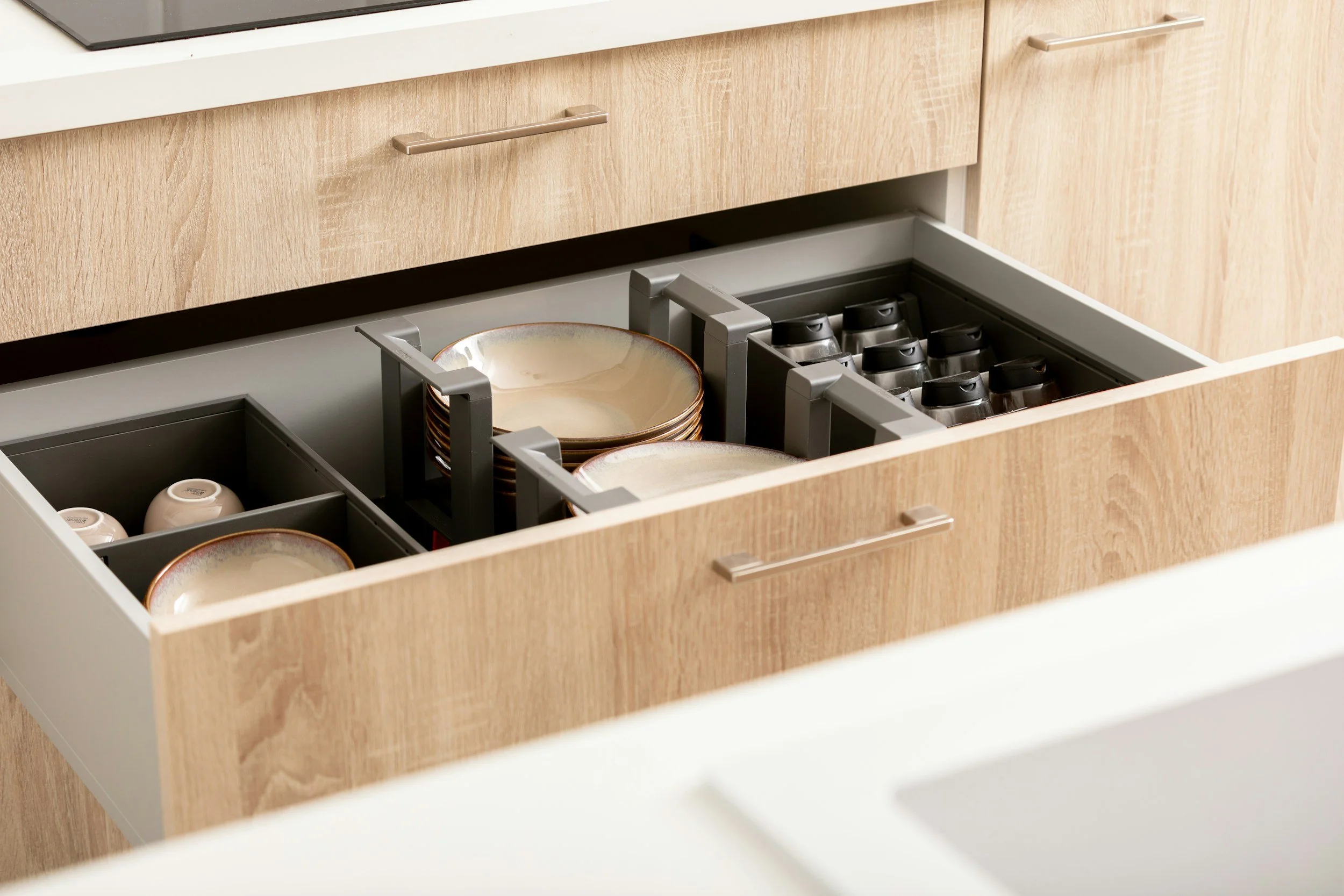
You do not need to buy a complete collection of matching bins to organize your kitchen.
In many cases, buying too many organizers can simply create more work.
Start by removing what you do not need. Then add organizers only where they solve a specific storage problem.
Useful examples may include:
A tray for cooking oils near the stove.
A drawer divider for utensils.
A lazy Susan for deep corner cabinets.
Clear bins for snacks.
A vertical rack for cutting boards.
The goal should be function, not decoration.
A well-organized kitchen may help viewers understand how the available storage and work areas can be used.
Before making larger changes, carefully consider whether the project fits your selling timeline.
New cabinets, countertops, flooring, or appliances can be expensive.
Whether those projects make sense depends on the property’s condition, price range, timing, budget, and current local competition.
Greg Parker can help review available nearby listings and recent sales information as part of a property-specific discussion.
6. Keep the Kitchen Photo-Ready With a Simple Daily Reset
If you are preparing to sell, it can be helpful to have a kitchen that is easy to reset before photographs or showings.
Listing photos can capture small details that may not be as noticeable in person.
A simple daily routine may help reduce last-minute preparation.
Clear the counters, put dishes away, wipe the sink, take out the trash when needed, straighten chairs, and check the floor.
Open blinds or curtains when appropriate so available natural light can help show the space clearly.
If there are pets in the home, consider putting away bowls, toys, or food bags before photographs and showings when practical.
Daily Kitchen Reset Checklist
Put away dishes and dry the sink area.
Wipe counters, the island, stove, and visible appliance surfaces.
Remove trash or strong food odors before showings.
Straighten stools, chairs, rugs, and towels.
Turn on lights and check visible bulbs when practical.
How Kitchen Organization Can Help When Selling a Home in Montgomery County, PA
Kitchen organization will not replace accurate pricing, professional photography, appropriate disclosures, or a property-specific marketing plan.
It may, however, make the kitchen easier to understand in photographs and during showings by reducing visual distractions and making the room’s layout and storage more visible.
The National Association of REALTORS® 2025 Profile of Home Staging reported that decluttering and cleaning were among the most common home-preparation recommendations reported by sellers’ agents.
The report also identified the kitchen as one of the rooms buyers’ agents considered important to stage.
These survey findings describe agent responses and are not a guarantee of price, offers, or time on market.
Preparation should always be property-specific.
For one home, practical steps may include a deep clean, decluttering, and improved lighting.
For another property, an owner may consider minor repairs, paint touch-ups, or changes to how furniture and storage areas are presented.
The appropriate approach depends on the home, condition, price range, timing, budget, and current local competition.
What Not to Do When Organizing Your Kitchen
Avoid turning kitchen organization into a larger project than necessary.
If you are considering selling soon, the goal is to make the kitchen clear, clean, functional, and easy to understand.
You do not need to copy every social media organization trend or spend money on items that may not be relevant to your property.
Do not overfill clear containers simply because they look organized online.
Do not remove so much that the kitchen feels unused.
Do not begin major updates without reviewing current local listing competition.
Do not hide maintenance concerns that should be addressed or disclosed as required.
Do not assume every buyer has the same kitchen preferences.
Kitchen Organization Ideas by Home Type
Borough Twin or Rowhome
Common challenge: Smaller footprint or limited cabinet space.
Organization focus: Clear countertops, edit cabinets, and demonstrate practical pantry storage.
Townhome
Common challenge: Open kitchen visible from the main living area.
Organization focus: Keep sightlines clear and make island or counter space easy to see.
Single-Family Home
Common challenge: More cabinets can also mean more accumulated items.
Organization focus: Create zones and reduce overflow so storage is easier to understand.
Older Home
Common challenge: Unique layouts or fewer modern storage features.
Organization focus: Keep the space functional while allowing the existing layout and features to remain visible.
Final Thoughts
The best kitchen organization tips are usually simple:
Clear the counters, edit storage, group similar items, make the pantry easy to read, use organizers only where they help, and keep the kitchen easy to reset.
These steps can make your kitchen easier to use now and easier to present if you decide to sell.
If you are thinking about selling a home in Montgomery County, PA, consider preparation decisions in the context of your property’s condition, layout, timing, budget, and current local market information.
Greg Parker can help review available local listing activity and recent sales information as part of a property-specific discussion.
Contact Greg Parker
Greg Parker
Keller Williams Real Estate
910 Harvest Drive, Suite 100
Blue Bell, PA 19422
Direct: 215-239-7953
Office: 215-646-2900
Email: Greg@CallGregParker.com
Website: CallGregParker.com